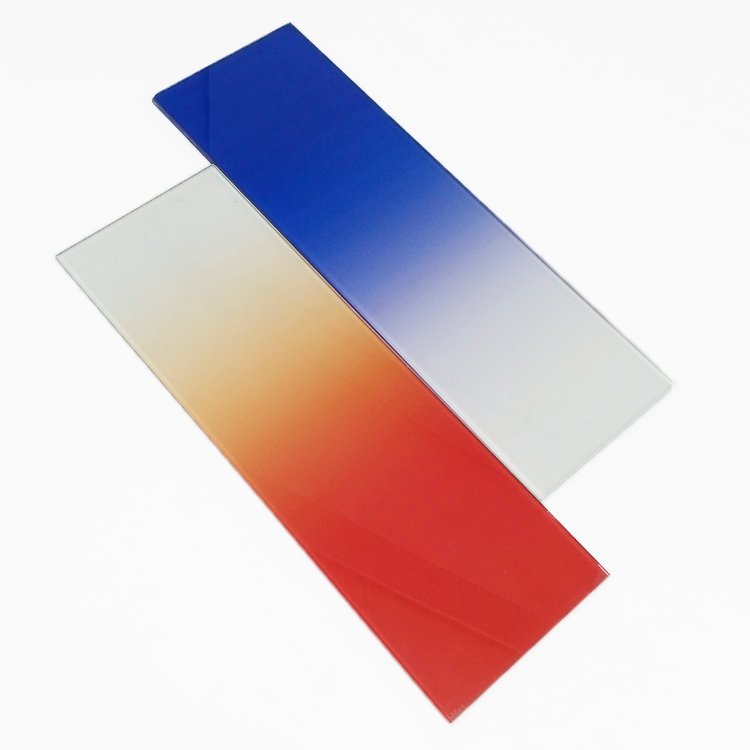
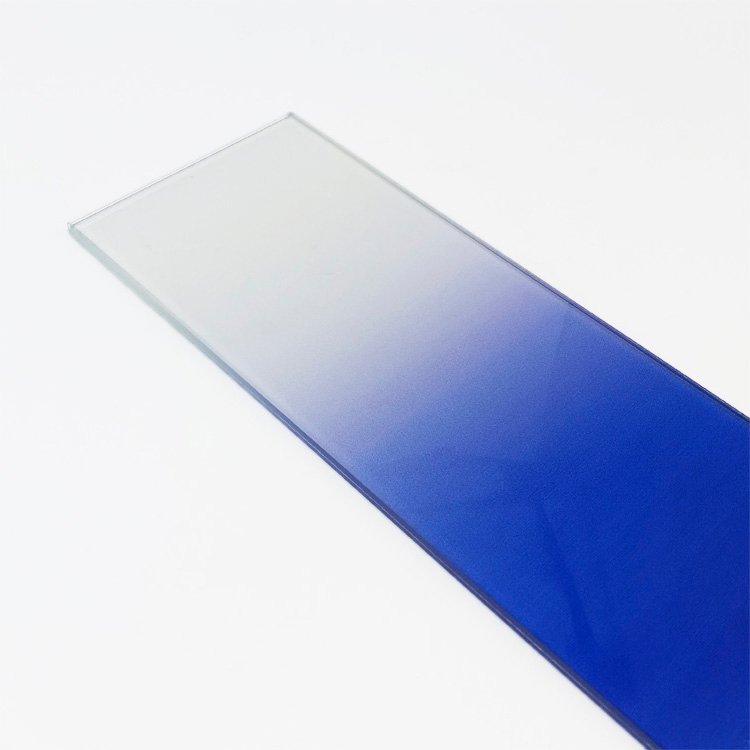
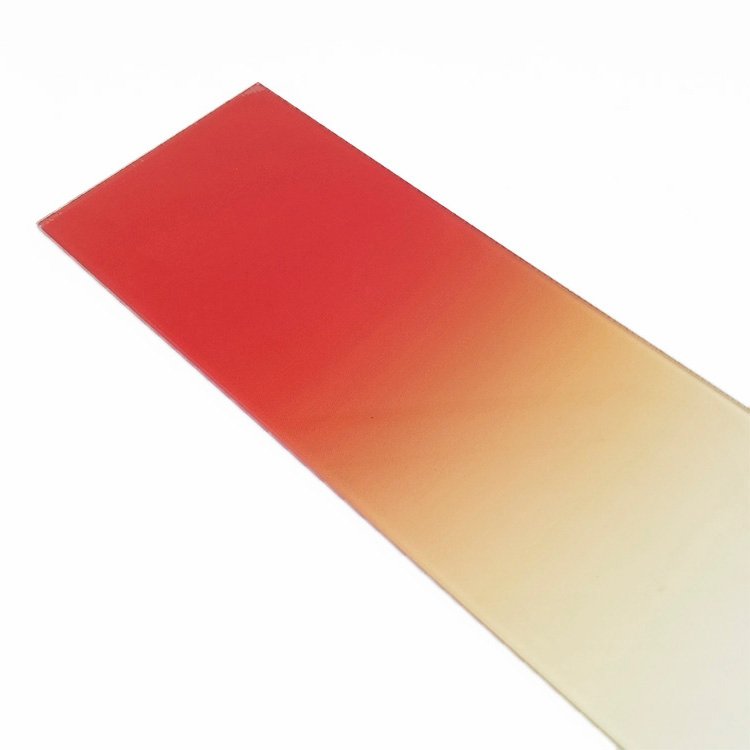









What is Gradient Glass
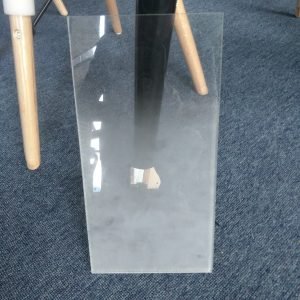
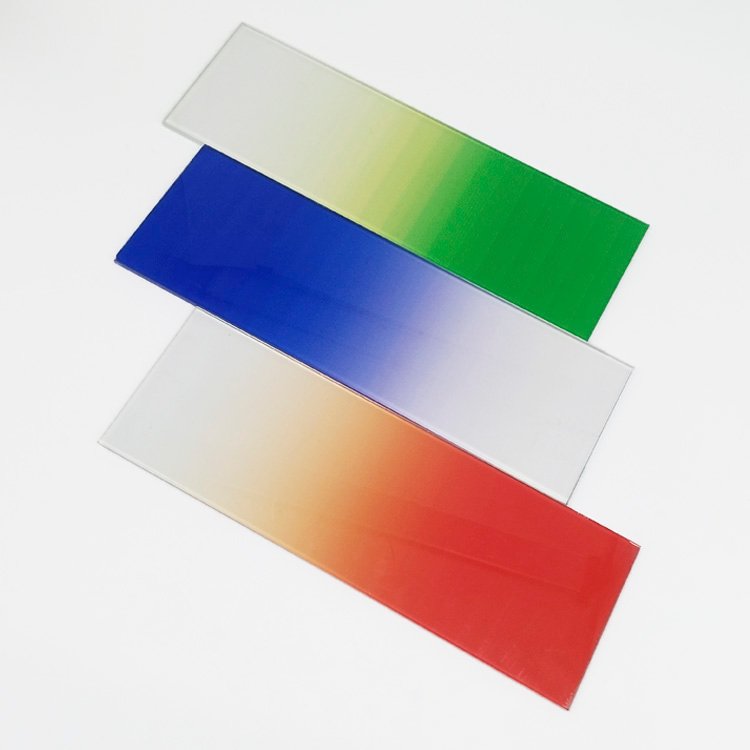
Gradient glass, also known as gradient tint glass, is a specialized type of glass that exhibits a gradual transition in color or opacity. This unique feature not only enhances the aesthetic appeal of architectural and design elements but also serves functional purposes in various applications.
Production process
- Ceramic Frit Printing:This process involves screen printing ceramic frit (finely ground glass and pigment) onto glass. The frit creates a gradient effect and is then fused to the glass surface during the tempering process, making it durable and scratch-resistant. This method is essential for producing gradient-colored glass with high durability.
- Lamination with Colored Interlayers:Layers of colored polyvinyl butyral (PVB) film or other interlayer materials are laminated between two glass sheets. By adjusting the color gradient on the interlayer, a smooth gradient effect is achieved, resulting in gradient laminated glass that enhances both aesthetics and functionality.
- Gradient Film Application:A colored gradient film is applied to the glass surface. This film can be pre-printed with a gradient effect and is commonly used for decorative purposes. It’s suitable for interior applications where durability is less of a concern compared to ceramic printing, similar to the concept of gradient film glass.
- Digital Printing:Advanced digital printers can apply high-resolution color gradients directly onto the glass. The design is printed in ceramic ink, which is then tempered, making it durable and suitable for both interior and exterior applications, akin to custom gradient glass solutions.
Characteristics of Gradient Glass
- Color Transition:One of the most defining characteristics of gradient glass is its ability to smoothly transition from one color to another or from opaque to transparent. This effect can create visually striking designs and allows for creative expression in both interior and exterior spaces, reminiscent of the beauty found in ombre glass.
- Light Control:Gradient glass effectively manages light penetration. The gradual change in opacity can filter sunlight, reducing glare while maintaining natural light within a space. This characteristic makes it ideal for use in environments where light control is crucial, such as offices and homes, functioning similarly to faded glass options.
- Energy Efficiency:By controlling the amount of sunlight that enters a building, gradient glass can contribute to energy efficiency. It helps regulate indoor temperatures, reducing the need for excessive heating or cooling, which can lead to lower energy costs—much like the benefits seen in energy-efficient gradient glass applications.
- Durability:Like standard glass, gradient glass is available in various thicknesses and can be treated for enhanced durability, making it suitable for various applications, including high-traffic areas often seen with clear fused tempered glass.
- Customization:Gradient glass can be customized to fit specific design requirements. Manufacturers can adjust the color, opacity levels, and dimensions, allowing for tailored solutions for different projects, similar to what is offered with blended tint glass.
Applications of Gradient Glass
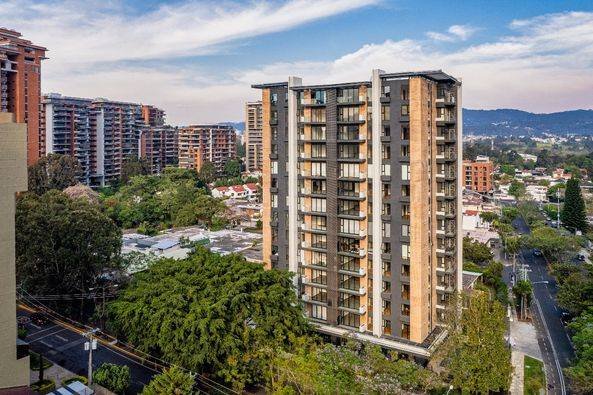
- Architectural Design:In modern architecture, gradient glass is often used in facades, windows, and partitions. Its aesthetic appeal and functionality make it a popular choice for contemporary buildings, providing both privacy and a striking visual element inherent in gradient panels.
- Interior Design:Gradient glass is increasingly being used in interior design applications, such as room dividers, shower doors, and furniture. It adds a layer of sophistication to spaces while also enhancing light dynamics, echoing the effects of decorative gradient glass.
- Automotive Industry:Some automotive designs incorporate gradient glass in windows and sunroofs. This not only provides a stylish look but also helps in managing heat and glare for passengers, akin to the benefits of transitional glass in cars.
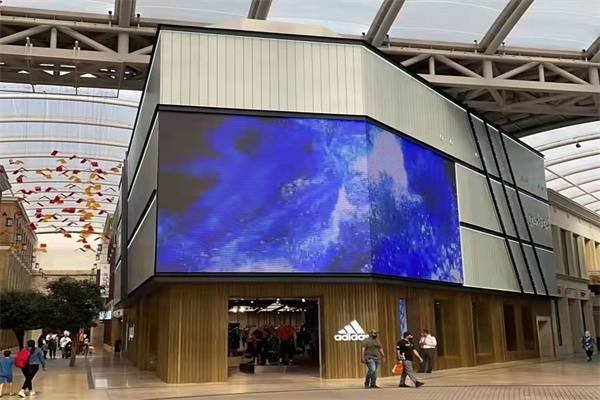
- Retail Spaces:In retail environments, gradient glass can be used in display cases and store windows. It can draw customers’ attention while subtly guiding their gaze towards specific products, functioning similarly to multi-tone glass displays.
- Art Installations:Artists and designers often utilize gradient glass in installations to create immersive environments. The interplay of light and color can evoke different moods and experiences, making it a powerful medium for artistic expression, comparable to art glass with color.
In conclusion, gradient glass combines aesthetic beauty with practical functionality, making it a versatile option for modern architectural and design projects. Whether through gradient film application or lamination techniques, this innovative material continues to inspire creativity and design excellence.
To learn more about our products, please visit https://trustmyglass.com/products